
Recycling
Responsible IT Recycling & Material Recovery
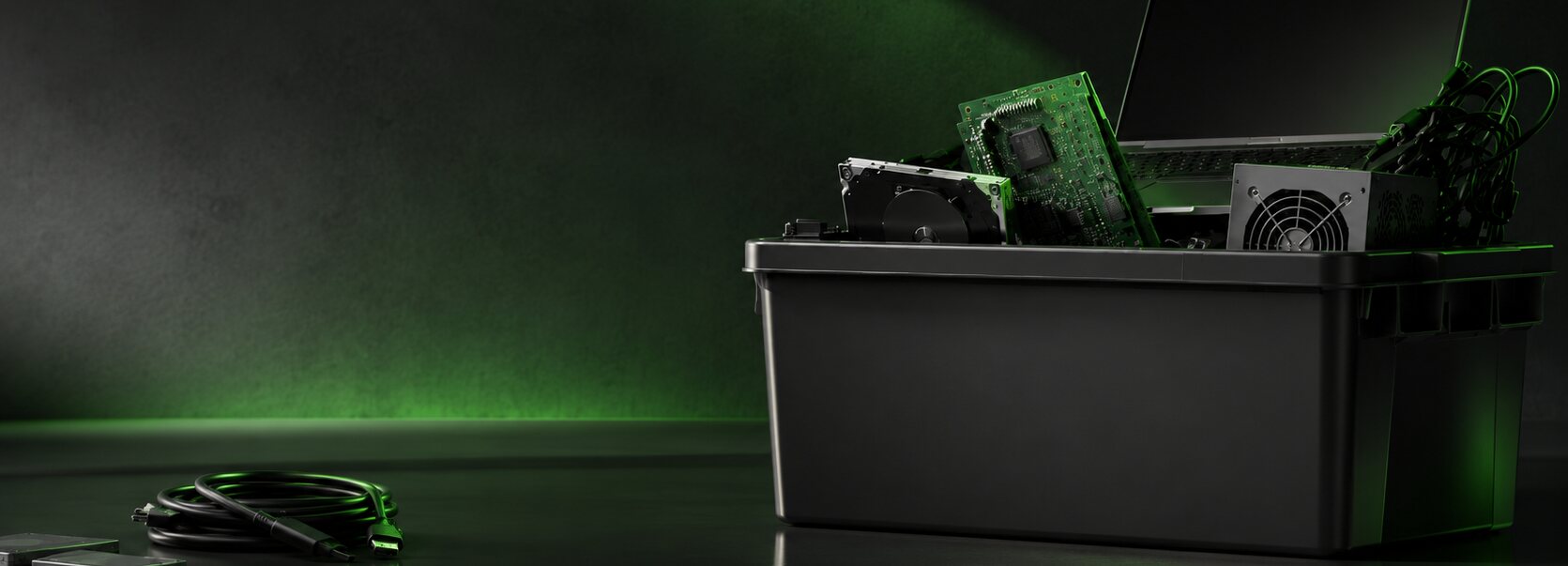
Recycle retired IT equipment through a secure, traceable and environmentally responsible process.
Only non-confidential or already-sanitised hardware enters the recycling stream. Katana Digital ensures data-bearing equipment is wiped or destroyed upstream — never in recycling. Result: controlled inventory, downstream accountability, and full documentation for compliance and sustainability reporting.
Why responsible IT recycling matters
Retiring IT equipment is inevitable. But unmanaged disposal creates risk: environmental impact, compliance exposure from poorly tracked hardware, and lost opportunity for material recovery.
Key drivers :
-
Environmental responsibility
divert recoverable materials away from landfills
-
Governance clarity
prove that confidential data was removed before recycling
-
Compliance readiness
documented process supports audit and reporting
-
Material recovery
recover valuable metals, plastics and other fractions
-
Transparency
visibility into downstream handling and final disposition
Security first - How recycling works
Recycling is NOT a shortcut for handling sensitive equipment. It is the controlled routing of end-of-life hardware into dismantling and material recovery AFTER confidential data has already been removed.
The Critical Distinction
- Data-Bearing Equipment Laptops, desktops, servers, storage devices, smartphones — anything that contains or may contain confidential data. MUST be wiped or physically destroyed upstream BEFORE recycling.
- Non-Data-Bearing Equipment Monitors, cables, mice, keyboards, docks, hubs, power supplies — accessories that do not store data. Can be routed directly into recycling once inventoried and prepared.
- Non-negotiable principle Any asset containing confidential data is wiped or destroyed BEFORE recycling, never in parallel, never after.
Our recycling approach - Four pillars
-
1
Data-Bearing vs Non-Data-Bearing Separation
Clear distinction between equipment that stores data and equipment that does not. Data-bearing assets treated upstream. Only fully-treated or non-data-bearing hardware enters recycling.
-
2
Controlled Inventory & Chain of Custody
Equipment logged, grouped and reconciled before processing. Every asset remains documented from collection through final disposition — strengthening accountability and reducing uncontrolled handling risk.
-
3
Efficient Equipment Grouping
Equipment is sorted and grouped by type and condition for efficient processing. This allows better downstream management and recovery of valuable materials.
-
4
Downstream Traceability & Compliance
Equipment is tracked and documented through final disposition. Recycling partners handle materials according to industry standards. Complete audit trail ensures transparency and compliance readiness.
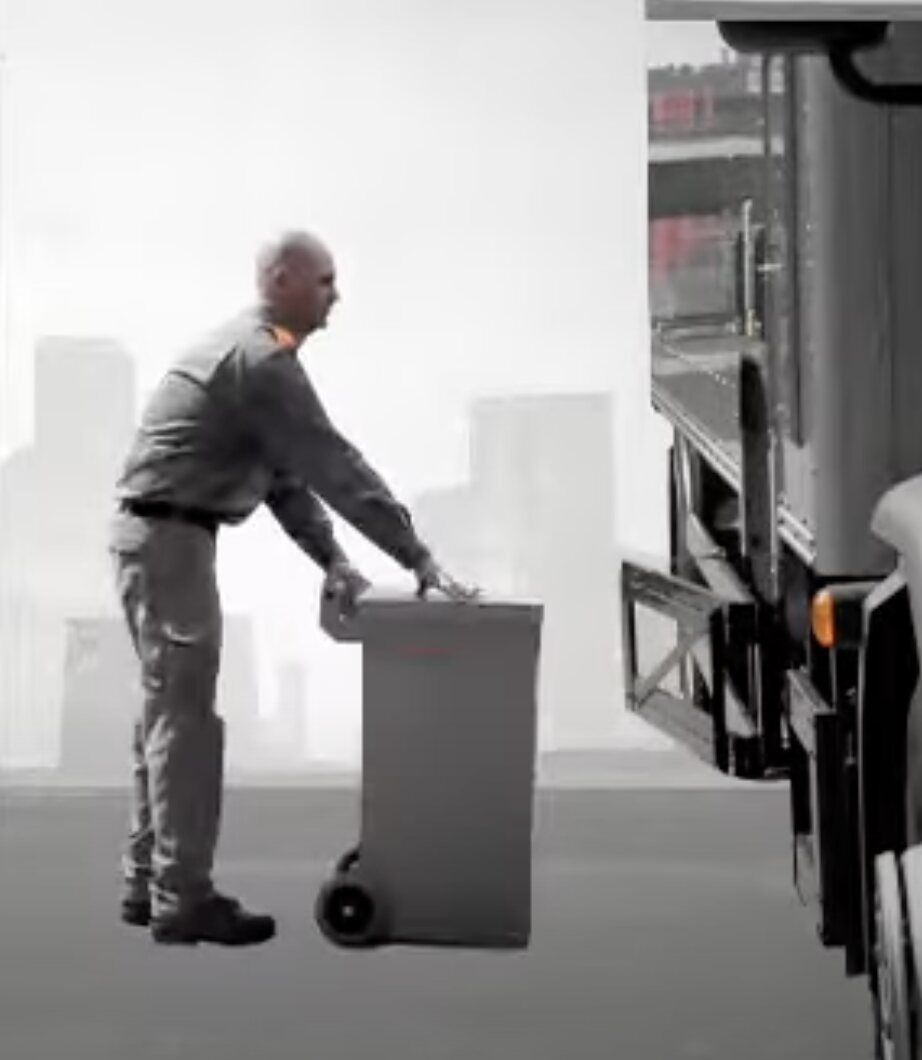
Before equipment enters the recycling stream, Katana Digital confirms:
- Is this data-bearing or non-data-bearing?
- Has any confidential data been removed?
- Is reuse or remarketing still viable?
- Is this the appropriate end-of-life path?
This matters especially in mixed IT batches. Some items are clearly non-data-bearing and ready for recycling. Others must first go through Certified Data Erasure or On-Site Destruction.
What happens before equipment is recycled ?
Recycling is a CONTROLLED OUTCOME, not an automatic first step.
What can we recycle ?
Non-Data-Bearing (Direct Recycling) :
-
Monitors
-
Keyboards, mice, docks, hubs
-
Cables and power supplies
-
Office peripherals
-
Removed accessories
Data-Bearing (After Upstream Treatment) :
-
Laptops and desktops (post-erasure)
-
Servers and storage (post-destruction)
-
Smartphones (post-erasure)
-
Mixed batches of already-sanitised hardware
-
Failed drives (post-physical destruction)
Important :
Katana Digital does not ship equipment that still carries untreated confidential data. Equipment must be either non-data-bearing or fully sanitised before entering the recycling stream.
Responsible material recovery & downstream tracking
Once equipment is approved for recycling, it enters dismantling and material separation:
-
Metal recovery
(copper, aluminium, gold, silver from circuit boards)
-
Plastic recovery
(reusable and recyclable polymers)
-
Glass recovery
(from displays and components)
-
Hazardous material handling
(batteries)
Downstream accountability is essential. Katana Digital works with R2v3-certified recycling partners and processes aligned with R2v3 principles, supporting traceability of material flows and documented downstream handling.
Your recycling documentation package
-
Asset inventory & reconciliation
(complete listing)
-
Chain-of-custody documentation
(intake through final disposition)
-
Confirmation of upstream data treatment
(wiping/destruction evidence)
-
Recycling or final disposition reporting
(material streams, quantities)
-
Certificate of Recycling
(formal proof of processing)
-
Sustainability reporting inputs
(ESG and corporate reporting)
Why choose Katana digital for IT recycling?
-
Security-First Logic
Recycling only starts once confidentiality risk has been removed. Data-bearing equipment is always wiped or destroyed upstream.
-
Clear Separation of Equipment Types
Distinct pathways for data-bearing, non-data-bearing, reusable and non-reusable equipment. No ambiguity, no shortcuts.
-
Controlled & Traceable Workflow
Inventory, chain of custody, and documented handling ensure accountability from collection to final material destination.
-
R2v3-Aligned Standards
Approach designed to meet industry certification requirements for responsible recycling and audit readiness.
-
Integrated End-of-Life IT
Recycling fits into a complete ITAD framework: data erasure, destruction, inventory, remarketing, and responsible recycling.
Common questions about IT recycling
-
No. Any asset containing confidential data must first go through Certified Data Erasure or On-Site Destruction. Only fully-treated or non-data-bearing equipment enters recycling.
-
Yes. Monitors, cables, mice, keyboards, docks, hubs and power supplies do not store data: once inventoried and prepared, they can be routed directly into recycling.
-
Equipment is dismantled and separated into metals, plastics, glass and hazardous fractions. Each stream goes to approved downstream partners and remains traceable to its final destination.
-
Yes, provided the erasure is documented. We confirm the treatment first, and check whether reuse or remarketing is still viable before routing the equipment to recycling.
-
Asset inventory and reconciliation, chain-of-custody records, confirmation of upstream data treatment, disposition reporting, a Certificate of Recycling and sustainability reporting inputs.
-
Recovering materials diverts equipment from landfills and supports circular economy objectives, while the reporting provides inputs for ESG and corporate sustainability disclosures.
-
R2v3 (Responsible Recycling) is an industry certification standard for electronics recycling. It covers data security, chain of custody, downstream accountability, worker safety and audit readiness.
Ready to Recycle IT Equipment Responsibly?
Discuss your asset types, confidentiality requirements and recycling scope with Katana Digital. We'll design a workflow that keeps sensitive equipment out of the recycling stream until properly treated, while ensuring non-confidential hardware is handled responsibly, traceably and in alignment with R2v3 standards.