
When it comes to securely destroying IT supports such as hard drives, SSDs, and other data-bearing media, the size of the debris left after destruction plays a critical role in ensuring data is truly unrecoverable. But why does debris size matter, and how does it affect data security? Let’s break it down.
1. What Does Debris Size Mean in Data Destruction?
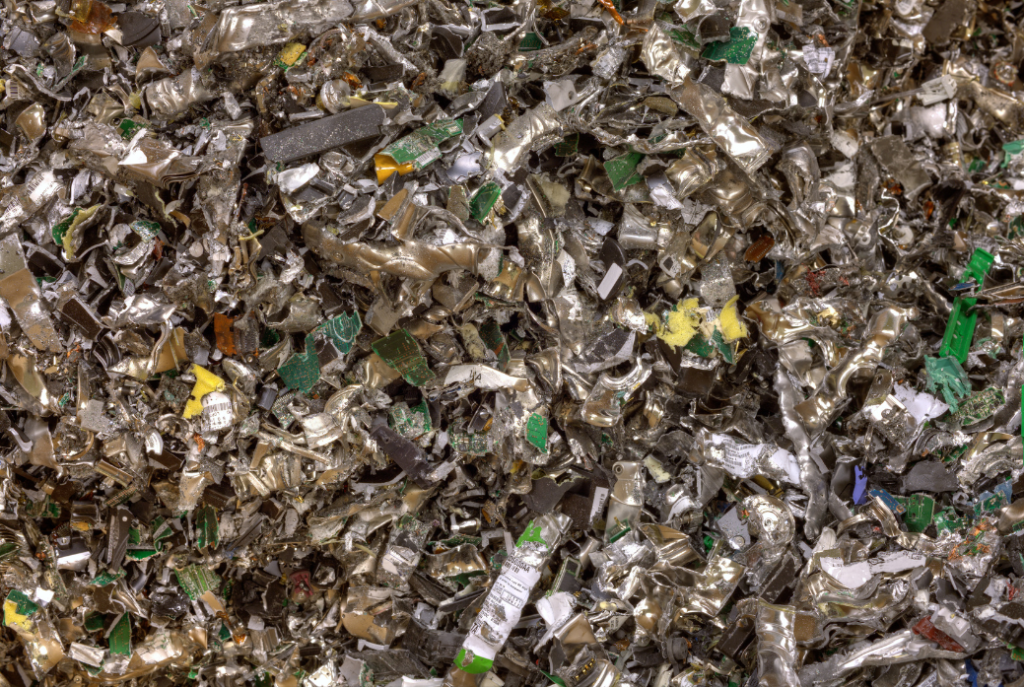
Debris size refers to the physical fragments left after a data storage device has been destroyed. Whether shredded, crushed, or ground into dust, the goal is to make the remaining pieces so small that data recovery becomes impossible.
Different destruction methods result in different debris sizes:
- Shredding: Produces small metal and plastic fragments.
- Crushing or Punching: Creates large, irregularly shaped debris.
2. The Smaller the Debris, the Lower the Risk
The larger the debris, the higher the risk that parts of the storage medium remain intact, potentially allowing data recovery experts or hackers to extract information. This is particularly important for:
– Traditional Hard Drives (HDDs): Data is stored on magnetic platters that can be reconstructed if not completely destroyed.
– Solid-State Drives (SSDs): SSDs store data on microchips, making them harder to wipe securely—tiny intact fragments could still contain recoverable information.
For maximum security, many regulations and industry standards specify a required debris size for proper destruction.
3. Industry Standards for Debris Size
Government and industry standards define strict requirements for debris size to ensure total data destruction. Some key standards include:
- NSA/CSS 9-12 (National Security Agency, USA): Requires HDD debris to be no larger than 2mm.
- ISO 21964 (International standard): Aligns with DIN 66399, ensuring uniform data destruction requirements worldwide.
4. Choosing the Right Destruction Method
The best destruction method depends on the sensitivity of the data and regulatory requirements:
✔ For high-security data (government, military, healthcare, finance): shredding in small size (h5+, h6) is the most secure option.
✔ For corporate and general business use: NSA-approved shredding methods ensure small enough debris to prevent data reconstruction.
5. Why Work with a Professional Data Destruction Company?
Destroying IT supports securely requires specialized equipment and expertise. Professional data destruction companies ensure:
– Compliance with data protection laws.
– The right debris size for your industry’s security requirements.
– Certification of destruction, providing proof that your data has been securely eliminated.
Conclusion
Debris size is not just a technical detail, it’s a crucial factor in ensuring data is truly irrecoverable. The smaller the fragments, the lower the risk of data retrieval. To guarantee full compliance and maximum security, working with a professional destruction service is the safest and most reliable solution.